Showing posts with label '90s bands. Show all posts

Tuesday, March 25, 2014

The Life and Death of Grunge

Get ready for a doozy of an entry, readers. This week, I’m going to tackle an entire genre of music: grunge (the genre part is questionable). So let’s take a close look at the ‘90s phenomenon we all know and (possibly) love.

Where Did Grunge Come From?
Grunge (or the Seattle sound) emerged in--you guessed it--Seattle in the mid-‘80s. The term was first used in 1981 by Green River vocalist Mark Arm in a letter he wrote to Seattle zine Desperate Times. Mark was “criticizing” his first band, Mr. Epp and the Calculations, calling them “Pure grunge! Pure noise! Pure shit!”

But Mark admitted that he had snagged the term from Australia, and didn’t use it as the official name of the genre. It was Sub Pop founder Bruce Pavitt who actually popularized the term by dubbing the bands on his label as “grunge.”

Grunge as a genre was a result of Seattle’s isolated music scene. It evolved from the punk scene, inspired by bands like The Fartz, The U-Men and the Fastbacks. Bands outside the Pacific Northwest (Sonic Youth, Pixies, Dinosaur Jr.) also influenced the grunge scene, along with Black Flag’s change of pace on 1984’s My War.


How Would You Describe Grunge?
This genre definitely has a specific sound. It’s kind of a mix of hardcore punk, heavy metal and the general “alternative” sound.

Grunge is typically characterized by sludgy guitars, fuzz pedals, a ton of distortion and growly, almost incomprehensible vocals. It shares more in common with punk than anything else. The only differences between punk and grunge are tuning and tempo. And like punk, grunge puts on this air of not giving a fuck about melodies while still having discernable melodies.

Most grunge songs address some form of alienation or apathy. There isn’t much rebellion behind tunes like “Smells Like Teen Spirit” and “Black Hole Sun.” But of course there’s some humor behind all that lethargy. Soundgarden’s “Big Dumb Sex” satirizes hair metal (fairly accurately, too).

Jon Wiederhorn of Guitar World once wrote, “So what exactly is grunge? Picture a supergroup made up of Creedence Clearwater Revival, Black Sabbath and The Stooges, and you’re pretty close.” And you know what? That’s a pretty accurate statement.


So Who’s Grunge Again?
Some of the first bands labeled as grunge were Green River, Soundgarden, Melvins, Malfunkshun and Skin Yard. Notice that Nirvana is nowhere in that lineup because they came after the establishment of the genre.

At first, the term “grunge” only applied to bands from the Seattle area, including Alice In Chains, Mudhoney, Screaming Trees, Pearl Jam and yes, Nirvana. As the Seattle sound began to creep out of the Pacific Northwest, similar-sounding bands (not necessarily copycats) fell under the same label, including Babes in Toyland and Stone Temple Pilots.

People like to argue over which bands are really grunge and which bands are “posers.” (Do people still use the term “poser,” or is that just a middle school thing?) Though I believe it’s just plain silly to be so concerned over a certain band’s genre, it’s my understanding that only bands that came out during a specific time frame (and a specific area, to a certain extent) can be classified as grunge.

As a serious ‘90s scholar (can I put that on my résumé?), I would put the official grunge reign between 1984 and 1994. It all started with Green River and Soundgarden, and officially ended with Kurt Cobain’s suicide in 1994.

Anything after 1994 is post-grunge, a more radio-friendly version of its gnarly predecessor. Post-grunge bands include Bush, Collective Soul, Foo Fighters and Creed (all of which I enjoy, so sue me).


Is Grunge Dead?
Yes. Yes, it is.

Grunge as a music genre has been dead since 1994 and I will fight anyone who disagrees with me. Though I don’t really like to make it seem as if Kurt Cobain was the only guy in the scene who mattered, his death definitely marked the end of an era. Sure, other Seattle bands went on to release more albums (Pearl Jam has had a pretty lucrative career), but grunge was done for.

So what happened?

Well, the alternative music scene of the ‘90s was exploding with a variety of bands hitting it big. As grunge’s popularity began to wane, it was usurped by post-grunge, Britpop and pop-punk. Everything suddenly became more radio-friendly and much less angsty. Britpop bands brought back keyboards, post-grunge bands asserted some masculinity and pop-punk bands picked up where The Ramones left off. Nobody was jamming to songs like “I Hate Myself and I Want to Die” anymore.

Blur frontman Damon Albarn commented on grunge’s decline in a 1993 interview, saying, “If punk was about getting rid of hippies, then I’m getting rid of grunge.” And a year later, it was all over.

Another contributing factor to this genre’s demise is its quick and ruthless commoditization. By the time Nirvana found its way into the mainstream, Kurt’s hobo-chic style was already being sold to Generation X. When the dress code becomes more important than the music, you’ve got a problem on your hands.

MTV also had a hand in destroying the scene. The rise of music videos meant the rise of exposure, and ultimately the rise of an entire culture based on television. MTV sold a product, and that product was alternative culture. (If you’re interested in a more in-depth analysis of MTV in the ‘90s, take a peek at this entry.)
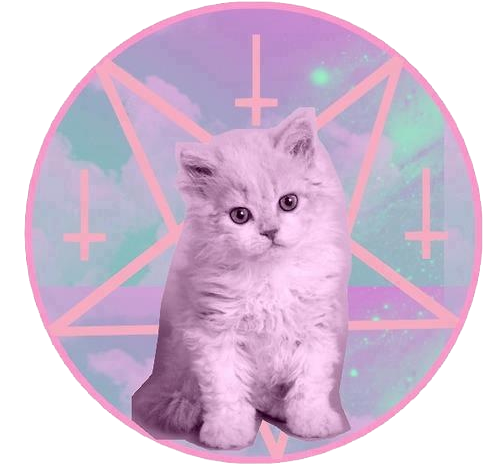
☯✞ Follow for more Soft Grunge ✞☯
Nowadays, grunge is kind of a punch line. Even I tend to joke about feeling “grunge” on a daily basis. And with the rise of Internet culture and the burgeoning market of ‘90s nostalgia, we’ve strayed so far from the original meaning behind the term. There’s even this weird subculture lurking on Tumblr that labels itself as “soft grunge.” (Spoiler: it has nothing in common with ‘90s grunge and it’s kind of hilarious.)

Grunge was a fad that ended at an appropriate time, as most fads tend to do. You don’t have to like it, but you have to admit it had a huge impact on popular culture. So don’t cry because it ended, dear readers. Smile because it happened. And maybe cry a little because Kurt Cobain died 20 years ago this month.


-- Sam Boyer, reporting from the ‘90s

Tuesday, March 18, 2014

Lead Singer Syndrome

Welcome to another special ‘90s entry! This week, we’re going to discuss what many music fans refer to as “lead singer syndrome” (this is not something I made up, I promise). This is a disease that has affected plenty of frontmen (and women) over the years, and it’s not strictly a ‘90s phenomenon. However, there are a number of ‘90s bands that struggled with a temperamental lead singer, and many of them called it quits because of that one person’s sour attitude.

So let’s take a look at three notoriously asshole-ish lead singers (that I also happen to like a lot) and find out just where they went wrong.

Scott Weiland (Stone Temple Pilots)
Status: Fired

Why Is He an Asshole?
His highly publicized substance abuse problems led to multiple arrests, which constantly derailed STP’s attempts to tour and even release new material. Over the years, he became more and more withdrawn from his bandmates and began showing up to his own shows late or not at all (I know from experience because Scott was late to an STP show I attended a few years ago).

After STP went on hiatus in the early 2000s, Scott joined the supergroup Velvet Revolver. Much to no one’s surprise, his bad habits followed him, and Velvet Revolver eventually dumped him. He reunited with both bands later on, but that didn’t last long. Scott got a little cocky about the Velvet Revolver one-off reunion, claiming he was back with the band for good (a claim Slash immediately shot down).

STP went on another hiatus, during which Scott began a solo tour. The tour was branded the “Purple at the Core Tour,” and basically consisted of Scott performing STP songs with another band. The rest of the original STP lineup accused Scott of and essentially touring under the STP brand without permission. They warned him to cease and desist, but Scott refused, so they fired him and replaced him with Linkin Park singer Chester Bennington.

In Scott’s Defense
I made my opinion on Scott Weiland clear in my Stone Temple Pilots entry, but I’d like to go into more detail here.

Like I stated above, I happen to like the three singers discussed in this entry. Out of all three, I like Scott the most (see my embarrassingly intense crush on him in middle school). He’s an incredible songwriter and his voice is heavenly. Though I honestly believe he was a better frontman in Velvet Revolver, his work with Stone Temple Pilots is still impressive.

Unfortunately, his skills as a musician are overshadowed by his rampant drug use in the ‘90s and his increasingly anti-social behavior. For those who don’t know, Scott was diagnosed with bipolar disorder a while back, which explains a lot. Now, of course that shouldn’t be an excuse for some of the bad moves he’s made career-wise—he’s still done some asshole-ish things to his bandmates, both in STP and Velvet Revolver. And I don’t think his admittance of his mental illness was a move to elicit pity from anyone.

His autobiography, Not Dead & Not For Sale, goes into detail about some of his deeper issues (if you’re curious about his life, please give it a read), but ultimately, drugs did him in. Like Kurt Cobain, Scott found solace in heroin, and it obviously fucked a lot of things up for him. I don’t think he’s completely blameless in terms of relationships with his former bandmates, but he’s still a human being who makes mistakes and maybe doesn’t know exactly how to deal with them.

Verdict: 60% asshole (40% misunderstood)


Status: Solo

Why Is She an Asshole?
Her boisterous attitude and tendency to speak before she thinks have gotten her into many scuffles with other musicians (she once punched Bikini Kill’s Kathleen Hanna in the face for supposedly no particular reason).

But perhaps her most prominent claim to infamy was her tumultuous relationship with Kurt Cobain. Because of Kurt’s absurdly exaggerated legacy, Courtney has continuously been viewed as his ultimate downfall. She’s been called everything from a “Yoko Ono” to a murderer.

In Courtney’s Defense
Courtney Love isn’t exactly the easiest person to like, but she has a lot of qualities I really admire.

She challenges mainstream expectations of how a woman should look and act. It seems to me that people who find Courtney’s obnoxious behavior more off-putting than similar behavior from her male counterparts are perhaps caught off guard by her unwillingness to adapt to traditional feminine roles. Or people just find her annoying, regardless of her gender. I can’t assume everyone who hates Courtney is a misogynist.

She also gets far too much shit for her history of substance abuse. Scott Weiland followed almost the exact same path, yet he gets off easy compared to Courtney. But alas, rock ‘n’ roll is a boys club and girls will almost always get the short end of the stick.

But the one thing I really admire about Courtney is her ability to move past the tragedy of Kurt’s passing. No matter what you think of her, you have to admit that being in her shoes at that point in 1994 must have been incredibly difficult. But she prevailed. That takes a hell of a lot of strength.

Sure, she’s made mistakes, and yes, her public image is one of the worst in rock history, but she’s a strong woman (and she probably doesn’t give a shit what you think of her).

Verdict: 75% asshole (25% badass bitch)


Billy Corgan (Smashing Pumpkins)
Status: Only original member left in the band

Why Is He an Asshole?
A notorious perfectionist, Billy insisted on playing all the guitar and bass parts on both Gish and Siamese Dream, which caused early internal drama with the Pumpkins.

The original Smashing Pumpkins lineup began to disintegrate by the late ‘90s, and the band eventually broke up in 2000. Billy reunited with drummer Jimmy Chamberlin to form the band Zwan, but that didn’t last long due to the rift forming between the two.

In 2004, Billy basically ruined any chance of getting the original Smashing Pumpkins lineup back together by badmouthing everyone. He blamed James Iha for the breakup and called D’arcy Wretzky a “mean-spirited drug addict.” And on top of that, he slammed his Zwan bandmates, calling them “filthy, opportunistic and selfish.” (And he did this on LiveJournal, for Christ's sake. LiveJournal.)

Though Jimmy did reunite with Billy for the album Zeitgeist in 2007, he quit two years later. Billy decided to continue releasing music under the Smashing Pumpkins name.

In Billy’s Defense
Like Scott and Courtney, Billy Corgan has his own personal issues that played some part in his behavior. He is apparently obsessive-compulsive, which explains the need for the first two Smashing Pumpkins albums to be perfect (and they are perfect). But that’s still not an excuse to be an asshole about it.

His tendency to badmouth his former bandmates (along with Courtney Love, whom he was involved with for quite some time) is definitely problematic, and unfortunately, I can’t really defend him on that.

My only defense for Billy is his musical skills. The man is a creative genius. Just listen to the perfection that is Siamese Dream. His more recent stuff is okay at best, but he knows exactly what he wants and he makes damn sure everyone hears it.

Verdict: 85% asshole (but 100% musical genius) 

Wednesday, March 12, 2014

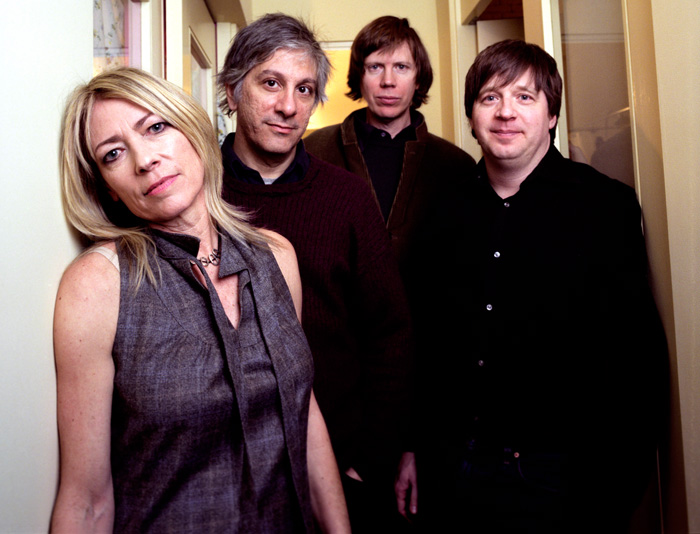
Sonic Youth

Sound Familiar?
“Kool Thing,” “Dirty Boots,” “Bull in the Heather”

Who Are They?
The band that redefined what a guitar can do (and one of the most important bands in alternative history).

The story behind Sonic Youth is a long one, as this band has more albums than Lady Gaga’s had hairdos (is that an accurate form of measurement?). Since the entries on this blog have been running a bit long lately, I’ll try to keep this history short and sweet so we can get to the fun part (where you read my fangirly account of this band).

Thurston Moore had a few bands before forming Sonic Youth with his soon-to-be ex-wife Kim Gordon in 1981. The name came from combining the names of MC5 guitarist Fred “Sonic” Smith and reggae artist Big Youth. After seeing guitar virtuoso Lee Ranaldo perform with an impressive guitar ensemble, Thurston and Kim snagged him for their band. Each member took turns playing the drums until they met Richard Edson, and by December 1981, Sonic Youth had released its first EP.

After some shuffling of drummers, the band went on its first tour with fellow noisy New Yorkers Swans, and released its first studio album, Confusion is Sex, in 1983. Sonic Youth and the rest of the noise rock scene was well received in Europe, but largely ignored in the US. When the press here in the states finally began to take notice, Sonic Youth (along with Big Black and Butthole Surfers) was lumped under the so-called “pigfucker” label, coined by Village Voice critic/curmudgeon Robert Christgau.

(Fun fact: Thurston and company didn’t appreciate the “pigfucker” label thrust upon them, which led to a little feud between the band and Christgau, culminating in the song “Kill Yr Idols” being renamed “I Killed Christgau With My Big Fucking Dick.” Both parties have since sorted out their differences.)

But thanks to hate from the critics and a destructive London debut show, Sonic Youth returned to New York in 1984 with a cult following and a gig practically every week.

After another drummer switch to Steve Shelley, Sonic Youth signed to SST Records and released two slightly more accessible albums, 1986’s EVOL and 1987’s Sister.

The band didn’t achieve universal acclaim until 1988’s masterpiece, Daydream Nation. The album’s lead single, “Teen Age Riot,” found its way on to modern and college rock radio rotations, catapulting Sonic Youth into the mainstream.

Based on Daydream Nation’s success, it really didn’t come as a surprise that the band made the decision to sign to a major label in 1990. Sonic Youth’s first release on Geffen Records was 1990’s Goo, followed by 1992’s Dirty. Both albums were noticeably more accessible than the independent label releases, and with singles like “Kool Thing” and “100%” (plus the band’s highest charting album of the decade, 1994’s Experimental Jet Set, Trash and No Star), Thurston and company quickly became alternative icons.

After a few more studio albums and an appearance at Lollapalooza and on The Simpsons, Sonic Youth released a series of highly experimental albums on its own label, SYR.

(Fun fact: The experimental album SYR4, subtitled Goodbye, 20th Century, features works by avant-garde classical composers such as John Cage, Yoko Ono, Steve Reich and more.)

Where Are They Now?
Disbanded, but their legacy lives on.

After most of their instruments were stolen in 1999, Sonic Youth was forced to start from scratch on what would later become NYC Ghosts & Flowers. The following two albums, 2002’s Murray Street and 2004’s Sonic Nurse, marked a return to form for the band, and received mass critical acclaim.

(Fun fact: Sonic Youth was heavily influenced by William Gibson, author of the groundbreaking cyberpunk novel, 1984’s Neuromancer. Several of the band’s songs reference his novels, including “Pattern Recognition” on Sonic Nurse, which is named after the Gibson novel.)

Six years after getting their gear stolen, Thurston and the gang got most of their equipment back in 2005 and used it to record Rather Ripped the following year.

Sonic Youth ditched Geffen after fulfilling its contract and signed to Matador Records to release The Eternal in 2009. Little did we know, this would be the final album from the band.

On October 14, 2011, Kim and Thurston announced they were separating after 27 years of marriage. In an interview later that year, Lee confirmed that Sonic Youth was done for a while.

Two years later, Lee admitted that Sonic Youth would probably never get back together, citing the progressively uncomfortable dynamic between Kim and Thurston after the two finally divorced.

But Why Sonic Youth?
Because this band is incredibly important, even if they’ll never get back together.


What Does Sam Think?
I put off listening to Sonic Youth for the longest time. It was one of those bands that everyone kept talking about, but I never really understood the significance. When I went through my intense Nirvana phase, I kept hearing about Sonic Youth, as Kurt Cobain cited them as a major influence. Like with Bikini Kill and PJ Harvey, I didn’t give this band a chance until I got to college. And I’m kind of glad I waited because I don’t think I would have appreciated Sonic Youth in high school.

To me, Sonic Youth basically picked up where The Velvet Underground left off. This band’s experimentation is staggering. From the odd guitar tunings to the avant-garde reinterpretations of classical pieces, Thurston and the gang definitely weren’t afraid to step outside the box.

Even if you don’t enjoy post-punk or noise rock, you have to appreciate the impact this band left on the alternative scene. Without them, we probably wouldn’t have Nirvana.

The underground scene will always remain underappreciated. Even though Sonic Youth made it into the mainstream, they had already established themselves as underground heroes. Most people (including myself) get into Sonic Youth through Daydream Nation or the first few major label releases and discover the earlier albums much later. There’s nothing wrong with that. The most exciting part of discovering a band with a long history is going back in time to hear that band’s progression.

Though I’m incredibly biased when it comes to hyping my favorite ‘90s bands to non-listeners, I honestly believe Sonic Youth is required listening. If you consider yourself a music fan at all, you’ll give this band a chance (I recommend starting with Daydream Nation). You may not like it, but you have to realize how important Sonic Youth was to the popularization of alternative music. Of course Nirvana is up there, too, but Sonic Youth did most of the legwork for them.

I wish Thurston and Kim could get along so the band could possibly reunite, but divorce is tough on everyone. For now, we have an impressive discography to appreciate and a ton of individual projects from each member.

Sonic Youth is dead, long live Sonic Youth.


-- Sam Boyer, reporting from the ‘90s

Tuesday, February 4, 2014

Ween

Sound Familiar?
“Freedom of ’76,” “Piss Up a Rope,” “Push th’ Little Daisies”

Who Are They?
Experimental rockers who wow their cult fanbase with sheer absurdity.

Ween was formed in 1984 by Aaron Freeman and Mickey Melchiondo (or Gene Ween and Dean Ween, as you may know them). Since the two met in an 8th grade typing class, the name Ween (which is a combination of the words “wuss” and “penis”) is appropriately juvenile. But juvenile is not necessarily a bad thing.

Gene and Dean made some early home recordings, drawing heavily on influences like Syd Barrett, The Beatles, Frank Zappa, Prince and Butthole Surfers. After gaining some local recognition in their hometown of New Hope, Penn., Ween became a five-piece and signed to Twin/Tone Records in 1989.

The band released two albums on the label (1989’s GodWeenSatan: The Oneness and 1991’s The Pod) before switching to Elektra Records and releasing Pure Guava in 1992. Pure Guava spawned Ween’s biggest single to date, “Push th’ Little Daisies,” which became a target on MTV’s Beavis and Butthead.

Ween tried something new with 1994’s Chocolate and Cheese. The album had a ‘70s pop/rock and soul feel to it and a much crisper production sound. The equally bizarre 12 Golden Country Greats and The Mollusk followed in 1996 and 1997, respectively. 12 Golden Country Greats had, you guessed it, a country theme. The Mollusk, on the other hand, had a nautical theme and incorporated just about every genre you can think of, including 1960s Brit-pop, sea shanties, Broadway show tunes and progressive rock.

(Fun fact: 12 Golden Country Greats only has 10 tracks. There are two possible explanations for this: the number is a reference to the dozen veteran musicians on the album known as The Shit Creek Boys, or Ween did, in fact, record 12 songs, but chose to leave two of them off the album and refused to change the title.)

Where Are They Now?
Unfortunately disbanded, but there’s always solo material to look forward to.

Ween started the new millennium with a new album (2000’s White Pepper) and an Internet radio station (WeenRadio). In 2001, the band started its own label, Chocodog Records, which is home to Moistboyz, Instant Death and Chris Harford.

(Fun fact: Remember that early episode of Spongebob Squarepants where Spongebob sings a song about tying his shoes? Ween wrote that song. The band also contributed a song to The Spongebob Movie called “Ocean Man.” Ween loves Spongebob, apparently.)

After releasing a couple more studio albums and a ton of live albums, Ween appeared to still be going strong by 2011. In May 2012, Gene Ween (a.k.a. Aaron Freeman) announced the end of Ween, but this was apparently news to Dean Ween (a.k.a. Mickey Melchiondo). Dean laughed it off and said, “As far as I’m concerned, as long as Aaron and I are both alive on this planet, Ween is still together.”

Unfortunately, Dean was dead wrong. Gene confirmed his departure from the band, claiming that he had to leave Ween in order to stay sober.

But Why Ween?
Honestly, this band just intrigues me and I wanted to take a closer look at its history and discography.


What Does Sam Think?
Okay, so here’s where I would usually gush about how awesome this band is and how much I love them (since I tend to choose bands/artists that I really like).

Unfortunately, this won’t be the case with Ween.

Now, if you’ve read this blog on a regular basis, you’re pretty familiar with my music taste. So you know that I love when bands get weird. For example, I absolutely adore both Primus and Butthole Surfers. Those are two incredibly creative bands that have fascinated me for a very long time. I understand why some people may not dig them, but I still love them.

I tend to lump Ween in the same category as Primus and Butthole Surfers, along with The Flaming Lips. To me, those are the four “weird” bands that people either love or hate. And, I’m sorry to say, I really just don’t like Ween.

It’s not that I don’t “get” this band—Ween is all about absurdity for absurdity’s sake. That’s not a bad thing. And the band’s music isn’t really the strangest I’ve ever heard—it’s still accessible to some extent.

I guess there’s just something about Ween that rubs me the wrong way. It’s difficult to put into words. This band doesn’t fascinate me the way the other “weird” ‘90s bands do. Primus has Les Claypool’s mind-blowing bass prowess. Butthole Surfers have an insane stage presence. The Flaming Lips have Wayne Coyne (arguably one of the most interesting frontmen ever). But I don’t see anything that really sets Ween apart, aside from its tendency to put out some genre-bending albums.

I’m not saying Ween is terrible by any means. I’m not going to look down on you if you genuinely like this band. The music just doesn’t do anything for me (though Chocolate and Cheese is pretty decent). Ween has a huge cult following, and I can see why. I just can’t get into it myself.

But I’m always willing to give bands another chance. Who knows? Years from now, I could put on Pure Guava, slap myself on the forehead and say, “What the hell was I thinking? This is fucking brilliant!”


-- Sam Boyer, reporting from the ‘90s 

Tuesday, January 28, 2014

Sunny Day Real Estate

Sound Familiar?
“Seven,” “In Circles”

Who Are They?
One of the first bands to establish emo as a music genre.

Before My Chemical Romance and The Used brought their own eyeliner-clad brand of emo to middle schoolers everywhere, Seattle-based sad boys Sunny Day Real Estate ruled the scene.

Guitarist Dan Hoerner and bassist Nate Mendel met at the University of Washington in 1992 and decided to form a band with drummer William Goldsmith. After releasing a demo tape under the name Empty Set, the threesome went through several name changes (including Chewbacca Kaboom and One Day I Stopped Breathing, the latter being the single most emo band name in history). They eventually settled on Sunny Day Real Estate and started the search for a lead singer.

Enter Jeremy Enigk. Before Jeremy came along, Dan did most of the vocals. Dan’s style was more in the hardcore vein, but Jeremy had more emotional depth to his voice, which led the band to adopt slower tempos. And that is essentially the formula for a ‘90s emo band.

Sunny Day’s first album, Diary, was released in 1994 on Sub Pop. The band embarked on pretty successful US tour with Shudder to Think and Soul Coughing, and even appeared on The Jon Stewart Show and MTV’s 120 Minutes. After the tour, Sunny Day regrouped to record a new album. And that’s kind of where everything fell apart.

The band broke up during the recording of Sunny Day Real Estate (or LP2, or The Pink Album) in 1995. Rumor has it that the root cause of the break-up was Jeremy’s sudden conversion to Christianity, but there really isn’t any solid proof of that.

(Fun fact: According to Jeremy, most of the songs on LP2 have incomplete lyrics because he and Dan never bothered to sit down and finish them. As a result, some songs are just pure gibberish.)

After Sunny Day called it quits (the first time, at least), Jeremy pursued a solo career while Nate and William joined Dave Grohl and the Foo Fighters. William eventually ditched the band, but Nate stayed.

A couple years later, the band reformed (sans Nate, who didn’t want to leave the Foo Fighters) and released How It Feels to Be Something On in 1998.

Where Are They Now?
Unfortunately inactive, but we can always hope for another reunion.

Sunny Day left Sub Pop after releasing a live album and signed to another independent label, Time Bomb Recordings. The Rising Tide was released in 2000, and the band immediately embarked on a lengthy US tour. Sunny Day planned to go on its first overseas tour after traveling the US, but Time Bomb pulled all tour funding at the last minute. Apparently the label had invested far too much money in an album by Peter Searcy, which left it virtually bankrupt.

Since Timb Bomb could no longer afford to have Sunny Day (or any other bands, for that matter) on its roster, the label shut down and our heroes decided to disband once more.

After the second break-up, Jeremy, William and Nate got together to form The Fire Theft, which didn’t last long since Nate still had an obligation to the Foo Fighters.

Sunny Day eventually reunited again 2009 for a tour, and made an appearance at Coachella in 2010.

As for new material, nothing has surfaced (and probably never will). Dan claimed the band had started recording in 2010, but Nate basically crushed everyone’s hopes and dreams last year by confirming that Sunny Day Real Estate is currently inactive. According to him, the band attempted to record a new album, but the sessions just “fell apart.”

But Why Sunny Day Real Estate?
Even though this band has basically broken up yet again, there’s always hope for yet another reunion and maybe, just maybe, new material in the not too distant future. A girl can dream, okay?


What Does Sam Think?
I will admit that I had an “emo” phase in my middle school years. Much like most people my age (wow, that made me sound a little too old), I was exposed to bands like My Chemical Romance, Hawthorne Heights and The Used at the very impressionable age of 13. At that point, I thought emo was a new thing (and that eyeliner and a Hot Topic-approved wardrobe were required).

As I grew older, I discovered that emo actually predated Hot Topic. The genre, then known as “emotional hardcore,” originated in the hardcore punk scene of the mid-1980s with bands like Rites of Spring and Embrace. Emo was reinvented in the ‘90s with a less abrasive sound thanks to bands like Jawbreaker and, of course, Sunny Day Real Estate.

I started listening to Sunny Day in high school and was immediately blown away by the band’s mature sound. I’m not saying MCR sounds childish or anything, but there’s definitely something more refined to Sunny Day. They don’t try to be aggressive like their hardcore predecessors, but there’s still power behind the slow tempos and shimmering guitars.

My favorite aspect of this band has got to be Jeremy Enigk’s voice. This guy has such a unique voice and it captures emotion so well. It’s not beautiful in a conventional way—he rasps and strains on the higher notes. But all that strain and gravel hits me harder than some guy screaming in my ear (though I do enjoy that vocal style, too).


Diary remains one of my favorite albums of the ‘90s (you can read a more detailed fangirl account here) because it’s the perfect mix of raw emotion and excellent instrumentation. Keep in mind that this album came out at the tail end of the grunge era. The difference between emo and grunge is pretty obvious, but I think Sunny Day bridges that gap quite nicely.

Tuesday, October 29, 2013

Sam's Top 50 Favorite Albums of the '90s (Part 5)

Here it is, folks—the final installment of my top 50 favorite albums of the ‘90s! Here you’ll see the coveted Top 10. Make sure to check out parts one, two, three and four before you start to complain about an album that appears to be missing.

10. OK Computer by Radiohead (1997)

This is a pretty obvious choice for a ‘90s Radiohead album. While I do like The Bends (and kind of, sort of enjoy Pablo Honey), OK Computer is by far the superior album of the three. Before this album, Radiohead was just another Britpop band trying to make it big across the pond. OK Computer has a much more experimental sound (though not nearly as experimental as something like Kid A or Amnesiac, both of which came right after this album), but it’s surprisingly accessible. “Airbag” is a killer opening track, and songs like “Karma Police” and “Lucky” have the power to reach a wide audience. Since I have a thing for long, multi-part songs, my favorite song on this album (and favorite Radiohead song in general) is “Paranoid Android,” a track with so many layers that I just want to curl up and live in it. While OK Computer isn’t my favorite Radiohead album of all time (that title belongs to Hail to the Thief), it’s still a flawless record in an objective sense.

9. The Downward Spiral by Nine Inch Nails (1994)

I’ve gushed about Nine Inch Nails plenty in my NIN entry, but let me just tell you how incredible The Downward Spiral is. The first NIN song I ever heard was “Closer,” and my little pre-teen mind was fascinated by the creepiness this band exuded. The Downward Spiral was recorded in the house where Sharon Tate was murdered by the Manson family, which makes the album all the more frightening. This is supposedly a concept album following an unnamed protagonist through his descent into his own psyche--and boy, is it twisted. The lyrics are pretty dark (see “Heresy” and “Hurt,” especially), but the instrumentation is really the most menacing aspect. Listen to the clicking backbeat in “Closer,” or the swirling chorus of screams in “The Becoming.” Scary, ain’t it? If I were able to include EPs in this list, Broken would probably top this album, but The Downward Spiral is an obvious winner for best NIN album of the ‘90s.

8. The Holy Bible by Manic Street Preachers (1994)

Oddly enough, I don’t think I’ve ever mentioned Manic Street Preachers on this blog before. The Holy Bible is honestly the only Manics album I really enjoy, and I think that’s because it’s one of the darkest. Musically, it’s deceptively catchy. But lyrically, it deals with everything from British imperialism and fascism to anorexia and the Holocaust. It’s very much a politically charged album, taking on both the British and American governments. “Ifwhiteamericatoldthetruthforonedayitsworldwouldfallapart” is an especially biting criticism of racism in the US (though bassist Nicky Wire has said it’s not a completely anti-American song). “4st 7lb” is a fairly intense portrait of an eating disorder. (Warning to readers who are sensitive to mentions of anorexia: DO NOT listen to “4st 7lb.”) The Holy Bible sounds a lot like a post-punk album, but it also invokes new wave, industrial, art rock and goth rock styles. It’s an unapologetic album and I really admire the band’s audacity to write about such serious subjects on a rock record.

7. The Fat of the Land by The Prodigy (1997)

I’ve always loved this album for nostalgic reasons, but now that I’m older, I can really appreciate how great of a record this is. I grew up listening to a lot of electronic music and The Prodigy eventually became one of my favorite bands. The Fat of the Land was always on repeat in my mom’s car, and I remember being so entranced with songs like “Breathe” and “Narayan.” This album has the perfect mix of pumped up tracks (“Smack My Bitch Up,” “Firestarter”) and musically layered spectacles (“Narayan,” “Climbatize”). The Fat of the Land, like The Downward Spiral and The Holy Bible, is a fairly controversial album (mostly because of “Smack My Bitch Up”), but don’t let that deter you. Even if you don’t like electronic music, you’ll probably like this.

6. Jagged Little Pill by Alanis Morissette (1995)

Angsty female singers of the ‘90s are my lifeblood. When I was younger, I wanted to be Alanis Morissette. Jagged Little Pill was Alanis’ first foray into alternative music, as her first two albums were of the dance-pop persuasion. But she sounds at home with the distorted guitars and harmonicas. The lyrical content always hits me hard, especially on tracks like “Perfect” and “Mary Jane.” There’s really a song for every mood on this album—“Mary Jane” is for those rough patches in life, “You Oughta Know” is for that awful breakup and “Head Over Feet” is for those special occasions when you find yourself in love with someone who really cares about you. So no, not all of Jagged Little Pill is endless angst, but even the slower songs have a certain intensity to them. Alanis isn’t afraid to get personal on this album and it definitely pays off.

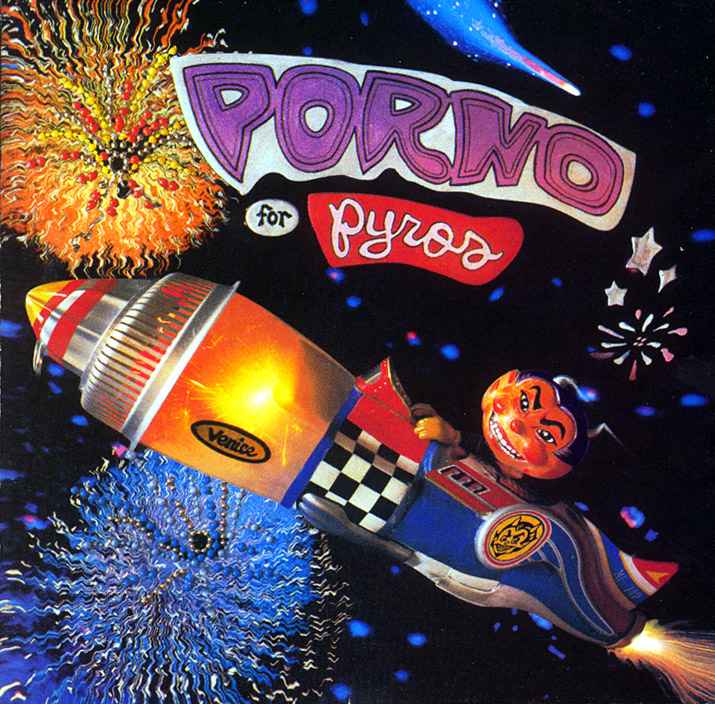
5. Porno for Pyros by Porno for Pyros (1993)

I said this in my Jane’s Addiction entry, but I’ve always preferred Porno for Pyros over Jane’s Addiction. Perry Farrell is an entertainer, and Porno for Pyros always seemed like a better outlet for all that creativity than his first project. Of course, I still enjoy Jane’s Addiction (though not the more recent stuff), but this album just blows me away. When I went through my Woodstock ’94 phase (which I guess I’m still going through), I watched Porno for Pyros’ performance of “Cursed Female” and “Blood Rag” for the first time on YouTube. Both songs included a bit of performance art and I thought that was so rad. This band was edgy and psychedelic without trying too hard. Porno for Pyros is a fairly chill album compared to a typical Jane’s Addiction album, but the laid-back atmosphere is perfectly executed. The band’s second album is good, but not nearly as fantastic as this one. But apparently Perry and the gang are reuniting for a new PFP album soon. Fingers crossed.

4. In the Aeroplane Over the Sea by Neutral Milk Hotel (1998)

Let me just crack open a PBR and put on my hipster glasses for this one. But in all seriousness, In the Aeroplane Over the Sea is life-changing. I discovered this album during my senior year in high school, and I shit you not, it changed my life. Senior year was a really weird time for me and this album helped me get through it. I know it’s the quintessential “hipster” record (and yes, before you ask, I have it on vinyl), but that doesn’t make it any less amazing. Sure, Neutral Milk Hotel is not everyone’s cup of tea. I can understand why some people just don’t dig anything this band has every done. Jeff Mangum’s voice isn’t always pitch-perfect and the instrumentation is sometimes off. But the first time I heard the title track, I was somehow able to ignore all those minor issues. It’s very rare for me to fall in love with an album upon first listen, but In the Aeroplane Over the Sea won me over on the first try. I love the strange instrumentation (the band used everything from a singing saw to a shortwave radio) and I adore Jeff’s cracking voice. And yes, I still cry every time I listen to “Oh Comely” and “Two-Headed Boy Part 2.”

3. Mellon Collie and the Infinite Sadness by Smashing Pumpkins (1996)

This album is 100% nostalgia for me. I mean, a track like “1979” just sounds like how nostalgia feels. It’s so comforting. I feel like I could wrap Mellon Collie around me like a big fluffy blanket and just sleep in it. And if I haven’t already mentioned this about a million times already, I really love concept albums. According to Billy Corgan, this isn’t really a concept album, though—the two halves (Dawn to Dusk and Twilight to Starlight) represent day and night. Nevertheless, the musical diversity on Mellon Collie is impressive. The Smashing Pumpkins go from moody, hard rock riffs on “Zero” to string arrangements on “Tonight, Tonight” to playful electronic effects on “Lily (My One and Only).” Mellon Collie was the last really great Pumpkins album, in my opinion. This record, along with Siamese Dream, really defines the band.

2. In Utero by Nirvana (1993)

Yes, I’m one of those people who likes In Utero more than Nevermind. But that’s not because I think I’m too cool to like Nevermind (if you recall, it still made my Top 20). I prefer In Utero because it’s so much darker and definitely more personal than its predecessor. I like dark things—who knew? This album kind of hearkens back to Nirvana’s Bleach days, but it’s not as sludgy. There are some delicate tracks on here (see “Dumb” and “All Apologies”), but the majority of the album is a heavily distorted punch in the face. The opening track, “Serve the Servants,” uses a droning guitar riff that’s almost hypnotizing, “Tourette’s” is one big feedback fest and “Scentless Apprentice” features some of the dirtiest drum work (and gnarliest screams) I’ve ever heard. Whether we know the true meanings of these songs or not, I still believe Kurt Cobain bared his soul on this record.

1. Dookie by Green Day (1994)

Was there anyone out there who didn’t see this one coming? As I have mentioned countless times on this blog, Green Day is my favorite band, so of course Dookie is my favorite album of the ‘90s. Sorry that I’m just too predictable (but I’m not really sorry). But come on—Dookie is a really fun record. Even if you hate everything Green Day’s ever done, you probably still have a soft spot for this album. It’s snotty and brash while still being radio friendly. It has a song with one of the best bass lines I’ve ever heard (that would be “Longview”). It just makes me really happy, okay? “When I Come Around” was one of the first songs I ever remember hearing on the radio, and I would make up words to sing just so I could sing along. While Dookie isn’t necessarily the one album that truly defines me (if I had to choose one, it would probably be American Idiot), it’s still an amazing album. I can listen to every song about a million more times and I would still never get sick of any of them.

Tuesday, October 22, 2013

Sam's Top 50 Favorite Albums of the '90s (Part 4)

Sorry for no entry last week, my dear readers. I’ll make it up to you by skipping a regular entry in favor of part four of my ‘90s albums countdown! Check out parts one, two and three first.

20. When the Pawn… by Fiona Apple (1999)

If you were not already aware of how much I adore FionaApple, prepare for ultimate fangirl mode. Fiona is a queen and When the Pawn… is quite possibly my favorite album from her (her newest release, The Idler Wheel…, is a very close second). This album isn’t as jazzy as her debut, but Fiona manages to find the right mix of soulful and poppy. But there’s still some angst underneath all those gorgeous piano hooks, especially on tracks like “Limp” and “Get Gone.” Of course there are some general crowd pleasers (“Paper Bag,” “Fast As You Can”), but I think the real highlight on When the Pawn… has to be the final track, “I Know.” I saw this live and I won’t lie—I cried. “I Know” is a strikingly heartbreaking tune that shows off Fiona’s incredibly sultry voice perfectly. If you only know Fiona Apple for “Criminal,” you’re really missing out on her best stuff (though “Criminal” is still a fantastic song).

19. Mezzanine by Massive Attack (1998)

Didn’t I say you’d see more electronic artists as the countdown went on? I grew up listening to this album in my mom’s car (even though I had no idea what I was listening to at the time), but you might recognize one of these songs as the theme tune to House (that song is “Teardrop”). The rest of Mezzanine isn’t as delicate as “Teardrop,” but it’s still brilliant. Most of the tracks are sexy as hell, as is the case for most trip-hop bands. Just take a listen to “Inertia Creeps” or “Risingson” and try to tell me you don’t get all hot and bothered. Massive Attack has a way of making even the most complicated hook sound effortless—in fact, most of the beats in the band’s songs are a little weird, but in a good way. If you’re just starting to get into electronic music (or you’re only versed in dubstep), put on Mezzanine and prepare to have your mind blown.

18. Homogenic by Björk (1997)

Björk appeared earlier on this countdown with Post, but Homogenic is definitely my favorite album of hers. From the menacing opening track (“Hunter”) to the heartbreakingly beautiful closing track (“All is Full of Love”), this album is just flawless, and it’s Björk at her very best. Homogenic is the perfect mix of pop hooks and experimentation—it’s weird, but not too weird. The Icelandic pixie shows off her incredible vocal talent on tracks like “Joga” and my personal favorite, “Bachelorette.” Homogenic is full of stuttering beats, chilly string arrangements and lyrics that make you believe in love. I still think this is Björk’s best album and I will fight anyone who says otherwise. Some may be turned off by her more recent stuff (see the highly experimental and polarizing Biophilia), but Homogenic captures the true essence of this lovely lady.

17. Darkest Days by Stabbing Westward (1998)

Taking a detour from critically acclaimed albums for a second, let’s talk about Stabbing Westward. Not all of my favorite ‘90s albums are Pitchfork-friendly (see Creed and Dave Matthews Band), but they’re still perfect 10’s to me. I grew up thinking everyone knew who Stabbing Westward was because my parents let me listen to music I probably shouldn’t have been listening to at such a young age. My mom played the shit out of Darkest Days and I eventually fell in love with it. In case you weren’t aware, Stabbing Westward was an industrial band (though not quite as heavy as Nine Inch Nails or Ministry) that had a “Brandon Lee in The Crow” vibe. You may know for their arguably biggest hit, “Save Yourself.” The rest of Darkest Days is basically a dark concept album that follows four phases of going through a nasty break-up. It’s loud, emotionally raw and just plain badass.

16. Dirty by Sonic Youth (1992)

To me (and I guess to most critics), Dirty ranks pretty high on the list of great Sonic Youth albums. The title is also the perfect description of the noise you’ll hear for one solid hour. It opens with a solid wall of sound on “100%” and continues to let the guitars buzz, even on slower tracks like “Wish Fulfillment” and “JC.” If you don’t like distortion, I’d stay away from Dirty (but you’re totally missing out on some of the best noise rock you’ll ever hear). Kim Gordon and Thurston Moore trade off vocal duties throughout the album (Lee Ronaldo only gets one song, but it’s actually one of my favorites), and even though their vocal styles are different, I don’t prefer one over the other. I keep thinking, “Oh, well I like Kim’s songs more because of ‘Swimsuit Issue’ and ‘Drunken Butterfly.’ But wait, Thurston sings really well on ‘Sugar Kane’ and ‘100%.’ THEY’RE BOTH SO PERFECT.”

15. Vegas by The Crystal Method (1997)

More electronic artists! Like Massive Attack’s Mezzanine, this album was always on repeat in my mom’s car. Vegas was TheCrystal Method’s debut album, and remains the group’s most successful album to date. I think the record’s appeal stems from the totally random samples used in almost every song. For example, the album’s opening track, “Trip Like I Do,” samples dialogue from the ultra-cool Jim Henson movie, The Dark Crystal. “Keep Hope Alive” samples a Jesse Jackson speech. But perhaps the weirdest sample is in “Bad Stone,” which uses dialogue from a couple of Bill Cosby’s stand-up routines. Other than the samples, Vegas is just a rich electonic album with a huge sound. It reminds me of a massive wave that continuously crashes around me.

14. Californication by Red Hot Chili Peppers (1999)

Okay, so I know including this album is really cutting it close in terms of the time frame. Californication was released at the tail end of the ‘90s and its major singles didn’t even make it to the radio until 2000. But dammit, this is my favorite Red Hot Chili Peppers album and I will include it in this list if I so choose! I’ve heard a lot of criticism about this album, and I can see where it comes from. Yes, it’s not as funky as, say, Blood Sugar Sex Magik. And yes, it does sound a bit overproduced. But I’ve always had this strange connection to it since the day I first heard “Otherside” (also, this album’s predecessor, One Hot Minute, is pretty awful). John Frusciante comes roaring back to the band with some crazy awesome riffs, especially on “This Velvet Glove” and “Around the World.” Many of these tracks are a bit more personal than tracks on previous Chili Peppers album (even though a lot of critics called it “false empathy”), and I think that’s what makes Californication stand out to me. Yes, Blood Sugar Sex Magik is still an amazing album (and it’s probably objectively better than this one), but I will always prefer Californication.

13. Insomniac by Green Day (1995)

Finally, Green Day makes its first appearance on this countdown. You saw it coming. While most people tend to remember Dookie as one of the best Green Day albums, Insomniac is probably the most underrated album in the band’s catalog. This was kind of a big “fuck you” to all the punks back home who cried, “Sell-outs!” Insomniac is raw, nasty and honestly has some of the best Green Day songs ever. Billie Joe Armstrong and company manage to pack a metric ton of angst into just 32 minutes of music. The lyrics are so much darker than the songs on Dookie—“Geek Stink Breath” tells the story of a meth addict and “Brat” tells the story of a kid waiting for his parents to die so he can get his inheritance. “Brain Stew/Jaded” was the most successful single (they’re technically two separate songs, but they were released as a single track for radio play), but the real highlight on Insomniac (for me, at least) is “Panic Song.” That track was written by both Billie Joe and bassist Mike Dirnt as kind of an homage to panic attacks, and that really hits home for me.

12. Rubberneck by The Toadies (1994)

I’m fairly certain that I mentioned multiple times in my Toadies entry that this band is probably the most underrated band of the ‘90s. You know these Texas post-grungers for their hit “Possum Kingdom,” but the rest of the album it came from is beyond brilliant. The Toadies inject some Southern charm into their strange, post-grunge sound, and it’s kind of unnerving (in a good way). I mean, just listen to the lyrics on “Tyler.” That song is about some guy who stalks a girl and breaks into her house. “Possum Kingdom” is (supposedly) about vampires. And Todd Lewis really knows how to wail (with his voice, that is). There’s an underlying creepiness to Rubberneck that’s hard to find on other albums, and I just wish more people listened to this band and appreciated it. I saw the Toadies live quite a few years ago and they sounded incredible. Even their most recent album is almost Rubberneck quality. It’s really too bad they’re considered a one-hit-wonder.

11. Nevermind by Nirvana (1991)


Before you go shunning me for not putting this in the top 10, let me just remind you that these are my personal preferences. You’ll see Nirvana again, I promise. As for Nevermind—well, what can I say about this album that hasn’t already been said? The first time I listened to it, I felt like I had found the Holy Grail. I was a pre-teen with some manufactured angst and I absolutely worshipped this band in 5th and 6th grade. I remember listening to Nevermind with my friend Alex and deciding to start a band (that obviously fell through because neither of us could play an instrument). I also remember being completely devastated when I found out Kurt Cobain has died almost a decade prior to the first time I heard “Smells Like Teen Spirit.” Even though this album belongs to Generation X, I can still feel the impact. I still love the three-chord simplicity, the gruffness of Kurt’s vocals, the often-nonsensical lyrics. Nevermind may be as old as me, but it feels new every time I hear it.